Author: admin

  • Seafood at home and the future of sustainable food

    Seafood at home and the future of sustainable food

    Why this part of aquaculture matters for feeding more people with a lighter footprint.

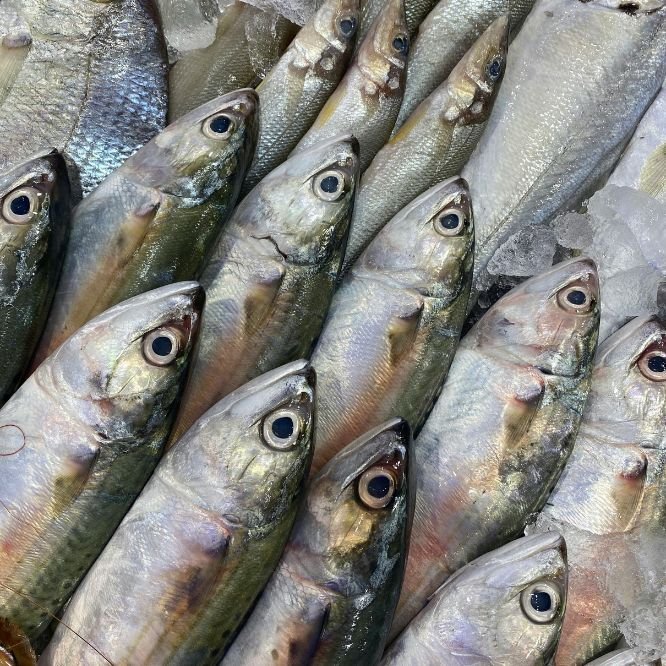
    Whole fish, fillets and smoked specialities, processed hours after harvest and kept cold all the way to you. Order online for home delivery, or open a wholesale account for your shop or restaurant.

    Three things that make the difference

    • Cut your way — Whole, gutted, steaks or skin-on fillets.
    • Food safety — HACCP plant with daily hygiene checks.
    • Smart packaging — Recyclable boxes that keep fish cold for 24 h.

    How we do it, step by step

    1. Harvest: Fish are chilled immediately in ice slurry.
    2. Processing: Gutted, scaled or filleted by trained hands.
    3. Inspection: Every lot checked for freshness and hygiene.
    4. Packing: Boxed on ice or vacuum packed and labelled.
    5. Delivery: Refrigerated vans to homes and kitchens.

    Finally fish my children eat without complaining — no smell, just taste.

    Huda M., Customer

    How fresh is the fish?

    Fresh products are packed within six hours of harvest and delivered within 24 hours.

    Have a question about seafood at home? Contact our team or book a farm visit — we are happy to help.
  • Seafood recipes and the future of sustainable food

    Seafood recipes and the future of sustainable food

    Why this part of aquaculture matters for feeding more people with a lighter footprint.

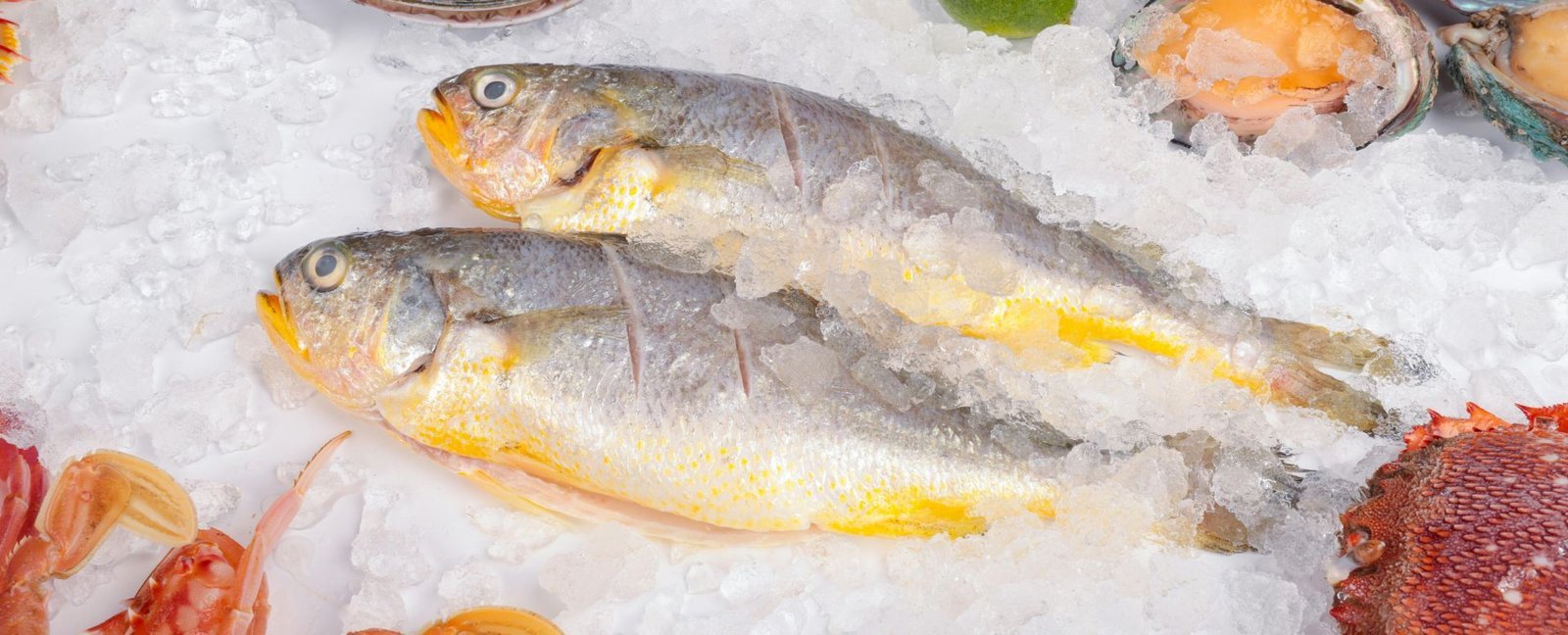
    Whole fish, fillets and smoked specialities, processed hours after harvest and kept cold all the way to you. Order online for home delivery, or open a wholesale account for your shop or restaurant.

    Three things that make the difference

    • Food safety — HACCP plant with daily hygiene checks.
    • Smart packaging — Recyclable boxes that keep fish cold for 24 h.
    • Wholesale accounts — Weekly standing orders for shops and kitchens.

    How we do it, step by step

    1. Harvest: Fish are chilled immediately in ice slurry.
    2. Processing: Gutted, scaled or filleted by trained hands.
    3. Inspection: Every lot checked for freshness and hygiene.
    4. Packing: Boxed on ice or vacuum packed and labelled.
    5. Delivery: Refrigerated vans to homes and kitchens.

    The fillets are spotless and the box was still ice-cold the next morning.

    Dina S., Home cook

    Do you deliver to my area?

    Enter your postcode at checkout to see delivery days for your area.

    Have a question about seafood recipes? Contact our team or book a farm visit — we are happy to help.
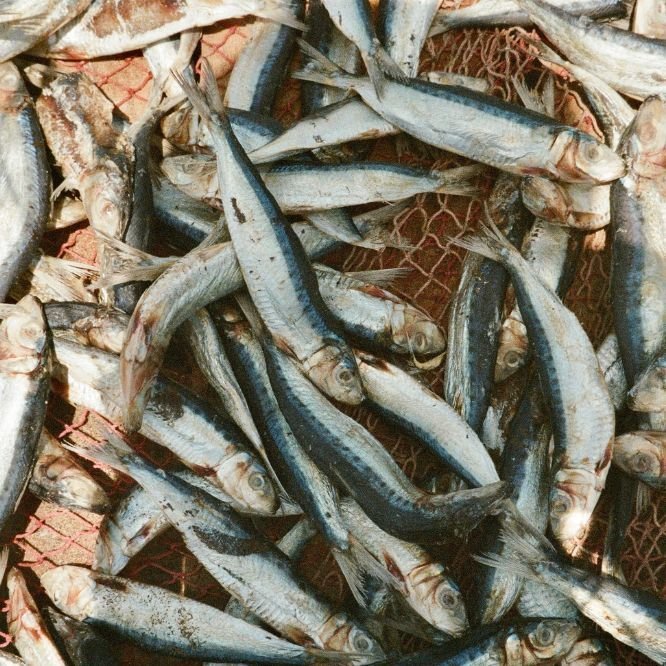
  • The cold chain and the future of sustainable food

    The cold chain and the future of sustainable food

    Why this part of aquaculture matters for feeding more people with a lighter footprint.

    Whole fish, fillets and smoked specialities, processed hours after harvest and kept cold all the way to you. Order online for home delivery, or open a wholesale account for your shop or restaurant.

    Three things that make the difference

    • Smart packaging — Recyclable boxes that keep fish cold for 24 h.
    • Wholesale accounts — Weekly standing orders for shops and kitchens.
    • Hours, not days — Processed the same day it leaves the water.

    How we do it, step by step

    1. Harvest: Fish are chilled immediately in ice slurry.
    2. Processing: Gutted, scaled or filleted by trained hands.
    3. Inspection: Every lot checked for freshness and hygiene.
    4. Packing: Boxed on ice or vacuum packed and labelled.
    5. Delivery: Refrigerated vans to homes and kitchens.

    Our weekly order arrives at 7 am, always complete. It made our kitchen calmer.

    Chef Walid H., Hotel kitchen

    Can I order for a restaurant?

    Yes — open a wholesale account for weekly orders, invoices and better prices.

    Have a question about the cold chain? Contact our team or book a farm visit — we are happy to help.
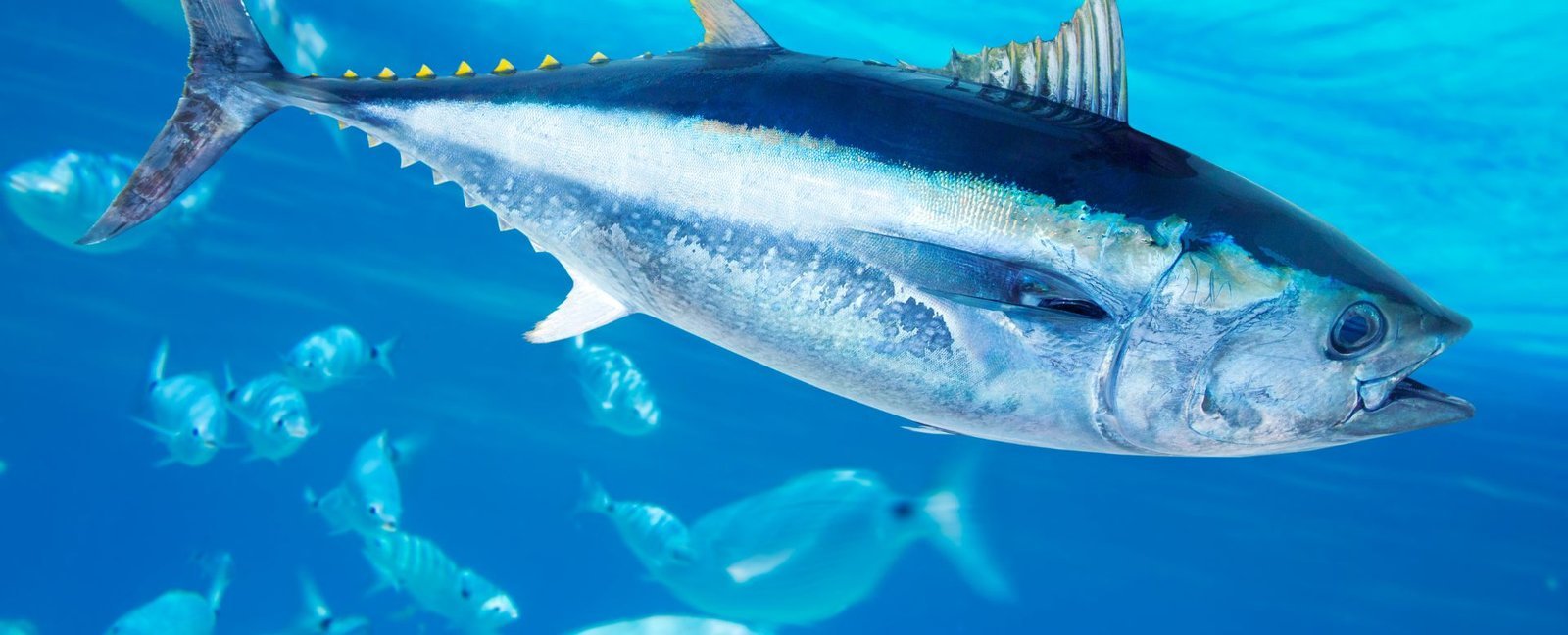
  • Sea bream cages and the future of sustainable food

    Sea bream cages and the future of sustainable food

    Why this part of aquaculture matters for feeding more people with a lighter footprint.

    Our offshore cages sit in deep, well-flushed water. Fish have room to swim, and divers and cameras watch every net. From hatchery to harvest boat, each batch is traceable — you know where your fish lived and what it ate.

    Three things that make the difference

    • Full traceability — Every batch carries its hatchery and feed record.
    • Offshore cage sites — Deep water and steady currents keep oxygen high.
    • Underwater cameras — We watch feeding and behaviour in real time.

    How we do it, step by step

    1. Marine hatchery: Eggs hatch in filtered, temperature-controlled seawater.
    2. Juveniles: Young fish are vaccinated and graded by size.
    3. Sea cages: They grow for 14–18 months in open water.
    4. Harvest boat: Fish are chilled on board within minutes.
    5. Packing: Packed on ice and shipped the same day.

    Fish arrive cold, clean and perfectly packed every time.

    Lina K., Fish market

    Can restaurants order whole fish?

    Yes — whole, gutted or filleted, packed on ice in 5 kg and 10 kg boxes.

    Have a question about sea bream cages? Contact our team or book a farm visit — we are happy to help.
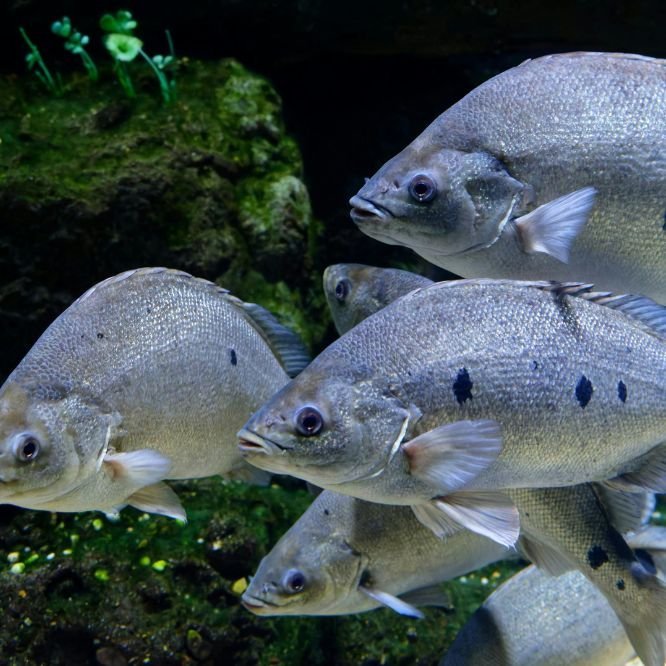
  • Sustainable aquaculture and the future of sustainable food

    Sustainable aquaculture and the future of sustainable food

    Why this part of aquaculture matters for feeding more people with a lighter footprint.

    Farmed fish is one of the most efficient proteins on the planet. We work to make every kilo cleaner than the last. Clear targets, independent audits and yearly reports — progress you can check for yourself.

    Three things that make the difference

    • Healthy oceans — Site rotation and seabed monitoring protect habitats.
    • Lower carbon — Solar power and efficient boats cut emissions.
    • Circular farming — Fish waste becomes fertiliser and biogas.

    How we do it, step by step

    1. Set targets: Clear goals for carbon, water and welfare.
    2. Measure: Data from every site, every month.
    3. Improve: New feed, energy and handling practices.
    4. Audit: Independent experts check our numbers.
    5. Report: A public report every year.

    Their report is the first in the region that shows real numbers, not just promises.

    Dr. Laila Y., Marine scientist

    Is farmed fish sustainable?

    Well-run farms need little land and fresh water and convert feed efficiently. We publish our data so you can judge for yourself.

    Have a question about sustainable aquaculture? Contact our team or book a farm visit — we are happy to help.
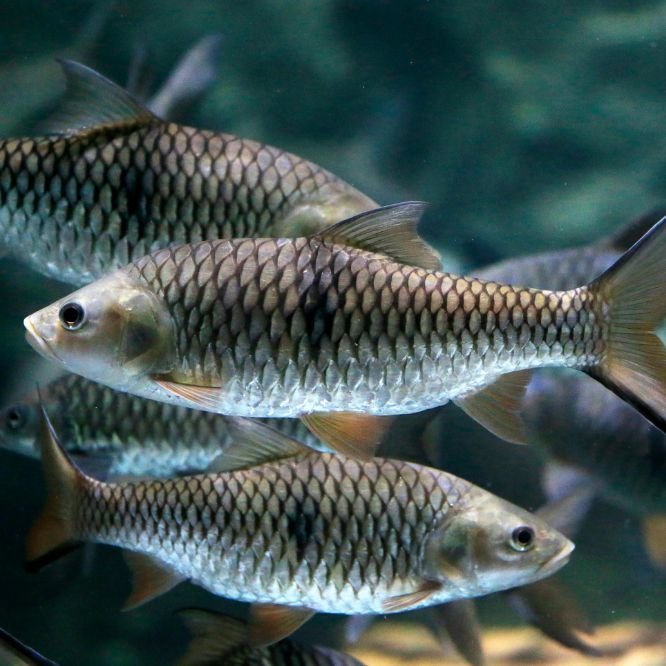
  • Harvest day and the future of sustainable food

    Harvest day and the future of sustainable food

    Why this part of aquaculture matters for feeding more people with a lighter footprint.

    We farm tilapia, carp and catfish in managed earthen and lined ponds — tested water, balanced feed and steady oxygen every single day. Every pond is mapped, logged and checked twice a day, so fish grow evenly and reach the market on time.

    Three things that make the difference

    • Balanced feeding — Rations follow fish size, water temperature and appetite.
    • Aeration on demand — Paddle wheels switch on automatically when oxygen drops.
    • Biosecurity first — Footbaths, quarantine ponds and clean tools for every unit.

    How we do it, step by step

    1. Broodstock & fry: Selected parents give strong, even fry.
    2. Nursery: Fry grow to fingerlings in protected tanks.
    3. Grow-out ponds: Fingerlings move to tested, aerated ponds.
    4. Harvest: Calm, quick harvesting keeps quality high.
    5. Market: Chilled transport to buyers the same day.

    Clear advice on feeding and oxygen. We finally plan harvests instead of guessing.

    Mona A., Farm manager

    How often is the water tested?

    Oxygen and temperature are read twice a day; ammonia, nitrite and pH every morning.

    Have a question about harvest day? Contact our team or book a farm visit — we are happy to help.
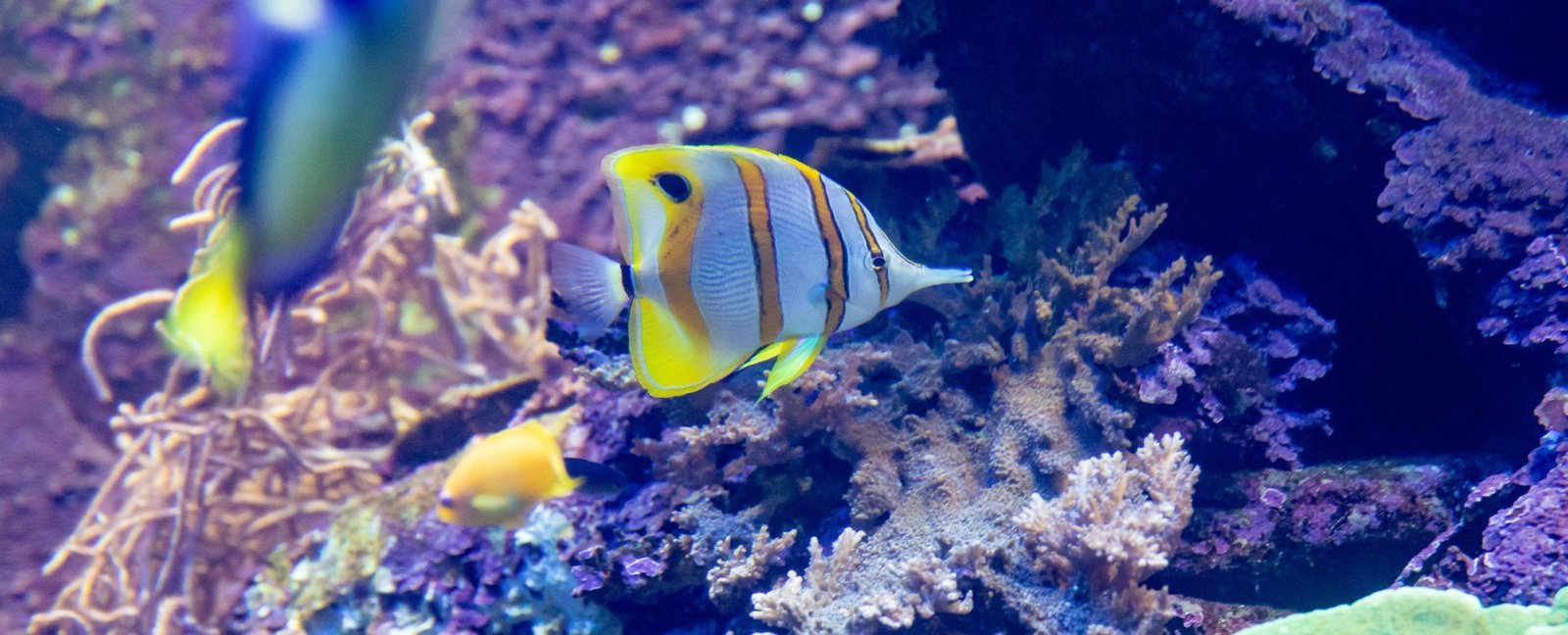
  • Tilapia ponds and the future of sustainable food

    Tilapia ponds and the future of sustainable food

    Why this part of aquaculture matters for feeding more people with a lighter footprint.

    We farm tilapia, carp and catfish in managed earthen and lined ponds — tested water, balanced feed and steady oxygen every single day. Every pond is mapped, logged and checked twice a day, so fish grow evenly and reach the market on time.

    Three things that make the difference

    • Aeration on demand — Paddle wheels switch on automatically when oxygen drops.
    • Biosecurity first — Footbaths, quarantine ponds and clean tools for every unit.
    • Natural pond life — Green water and plankton support growth with less feed.

    How we do it, step by step

    1. Broodstock & fry: Selected parents give strong, even fry.
    2. Nursery: Fry grow to fingerlings in protected tanks.
    3. Grow-out ponds: Fingerlings move to tested, aerated ponds.
    4. Harvest: Calm, quick harvesting keeps quality high.
    5. Market: Chilled transport to buyers the same day.

    The fish we buy for our restaurant are always fresh and clean-tasting.

    Karim S., Restaurant owner

    Can I buy fingerlings for my own pond?

    Yes. We sell graded fingerlings with a simple stocking guide and phone support.

    Have a question about tilapia ponds? Contact our team or book a farm visit — we are happy to help.
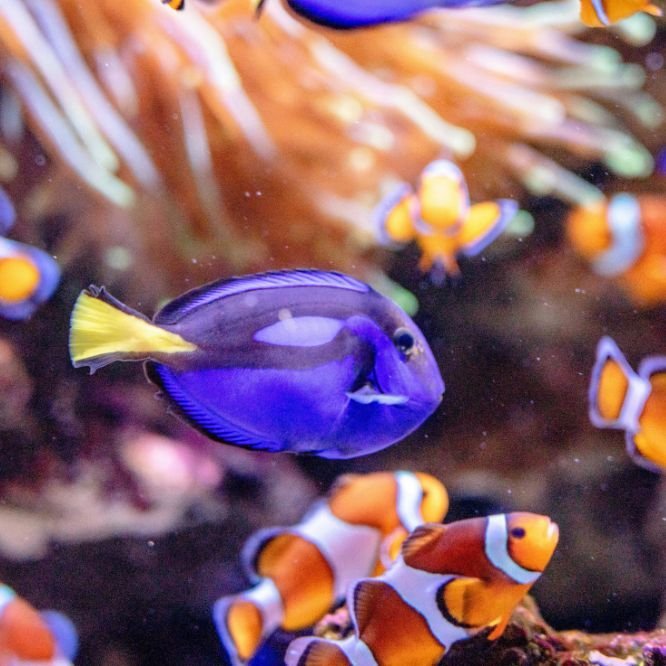
  • Fish welfare and the future of sustainable food

    Fish welfare and the future of sustainable food

    Why this part of aquaculture matters for feeding more people with a lighter footprint.

    Farmed fish is one of the most efficient proteins on the planet. We work to make every kilo cleaner than the last. Clear targets, independent audits and yearly reports — progress you can check for yourself.

    Three things that make the difference

    • Fish welfare — Space, clean water and humane handling.
    • Local communities — Jobs, training and support for coastal towns.
    • Certified practice — Independent audits against recognised standards.

    How we do it, step by step

    1. Set targets: Clear goals for carbon, water and welfare.
    2. Measure: Data from every site, every month.
    3. Improve: New feed, energy and handling practices.
    4. Audit: Independent experts check our numbers.
    5. Report: A public report every year.

    Their report is the first in the region that shows real numbers, not just promises.

    Dr. Laila Y., Marine scientist

    Where can I read your report?

    Our yearly sustainability report is on the Reports page, with past years kept online.

    Have a question about fish welfare? Contact our team or book a farm visit — we are happy to help.
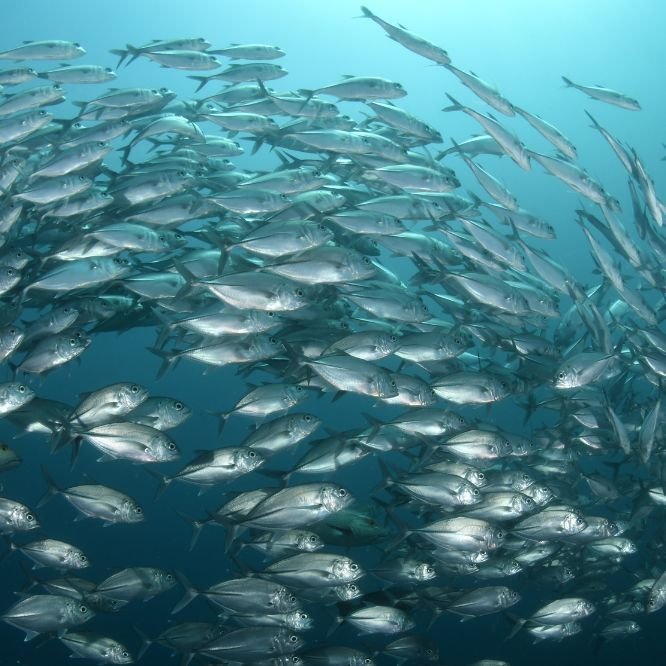
  • Fish health and the future of sustainable food

    Fish health and the future of sustainable food

    Why this part of aquaculture matters for feeding more people with a lighter footprint.

    Our lab and public aquarium study fish health, breeding and reef restoration — and share what we learn. Courses, school visits and research partnerships for the next generation of aquaculture experts.

    Three things that make the difference

    • Public aquarium — Tunnels, touch pools and guided tours.
    • Open data — Water and health studies shared openly.
    • Fish health lab — Diagnostics for farms within 48 hours.

    How we do it, step by step

    1. Question: Problems brought to us by farmers.
    2. Experiment: Trials in tanks and partner farms.
    3. Data: Careful records and statistics.
    4. Share: Guides, courses and open papers.
    5. Apply: New practice on real farms.

    My students still talk about the touch pool and the shark tunnel.

    Ms. Hala N., Science teacher

    Can my farm send samples?

    Yes. Book a lab slot online, then send chilled samples with the form we email you.

    Have a question about fish health? Contact our team or book a farm visit — we are happy to help.

  • Fish feed and the future of sustainable food

    Fish feed and the future of sustainable food

    Why this part of aquaculture matters for feeding more people with a lighter footprint.

    Starter, grower and finisher feeds made for warm-water and marine fish — less waste, better conversion, cleaner water. Our nutritionists match protein, energy and pellet size to your species, water temperature and goals.

    Three things that make the difference

    • Feeding advice — Free feeding tables and on-farm visits.
    • Floating & sinking pellets — Choose the pellet that suits your fish and system.
    • Better FCR — Balanced recipes that turn more feed into fish.

    How we do it, step by step

    1. Ingredients: Sourced and checked for quality and origin.
    2. Formulation: Recipes balanced for each species and stage.
    3. Extrusion: Pellets cooked, shaped and dried precisely.
    4. Quality control: Each batch tested before it leaves the mill.
    5. Delivery: Bagged or bulk, delivered to your farm gate.

    Their adviser walked our ponds and rewrote our feeding table on the spot.

    Fady W., Cooperative member

    How do I store fish feed?

    Keep bags dry, off the floor and out of the sun, and use them within three months.

    Have a question about fish feed? Contact our team or book a farm visit — we are happy to help.